DJI Phantom 3

What to Know About Hidden Fees That Increase the Price of Everything


What to Know About Hidden Fees That Increase the Price of Everything

This story is part of Recession Help Desk, CNET's coverage of how to make smart money moves in an uncertain economy.

What's happening

Many companies have found ways of passing down increased costs to consumers, with extra charges tacked on to your bill at checkout.

Why it matters

It's called drip pricing, and these new fees and surcharges are affecting customers who are already struggling with rampant inflation.

What it means for you

Knowing what merchants are charging can help you manage your budget and make better buying decisions.

The prices for nearly everything have ballooned in the past year. Record high inflation means the cost of food, fuel and other everyday essentials has gone up, which has put severe financial pressure on US households, particularly low-income Americans. 

photo of a restaurant receipt with 4% circled:

Look out for surcharges like these on your restaurant bills.

Courtney Johnston/CNET

And then there's the hidden costs added to your purchase before checkout, or tacked on to the receipt without warning. 

These additional merchant fees are called drip pricing, and they're inflicting pain on our already-stretched wallets. Businesses often claim these fees are the only way to offset the burden of inflation and supply chain shortages. For consumers, it means the things we buy are pricier than they initially appear. 

"Most of the time we find out about these fees when it's time to pay, not before," Ashley Feinstein Gerstley, author of Financial Adulting, told me via email. "Because these fees really run the gamut, you never really know what you are going to get." 

I asked my Instagram followers about these new and surprising fees, and they gave me loads of anecdotes. From restaurants to medical offices to rideshare services, here's a look at some charges that I discovered. 

And I'll offer tips on how to manage these unexpected surcharges.


Restaurants are charging more, and not just for food

Many restaurants are still reeling from a fiscal slump during the first year of the COVID-19 pandemic. Now, with rising food and payroll costs, eateries continue to struggle. "Average small business restaurants run on very tight margins of around 3 to 5% pre-tax," said Hudson Riehle, senior vice president of research with the National Restaurant Association. "The typical restaurant business model is not set up to deal with this sustained and accelerated cost of food and labor, which is putting extraordinary pressure on operators, and indications are these will continue." 

Here are some of the new fees you may see on your restaurant bill: 

Credit card surcharges

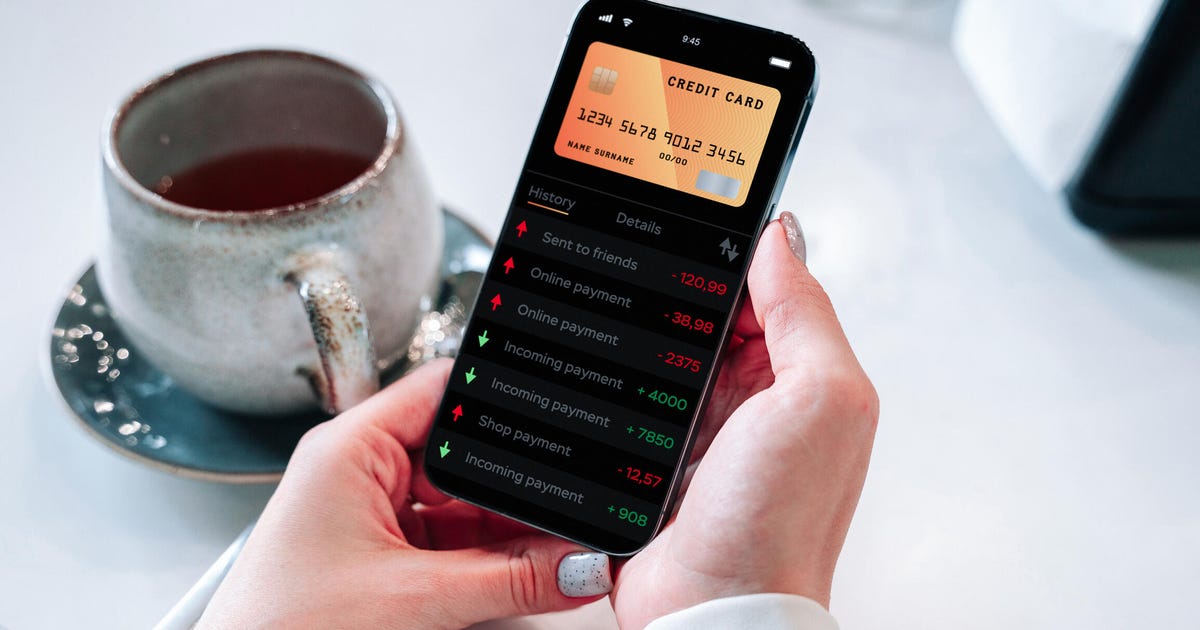
Earlierthis spring, major creditcard companies like Mastercard and Visa increased interchange fees, which is what merchants pay to card issuers every time a customer uses a credit card. Also known as "swipe fees," they cost businesses 1.5 to 3% per transaction. They're most challenging for smaller establishments like restaurants, and some are passing this expense on to customers as a percentage of their total bill. 

When Feinstein Gerstley dined out with her family last summer in Sapphire, North Carolina, the restaurant charged a credit card processing fee that she says was not mentioned until the bill arrived: "We were a party of 15 who had drinks, apps, dinner and dessert so the charge was substantial, over $100." Many states permit businesses to pass on their card swipe fees to customers, but they must properly disclose the surcharges on visible signage and their websites. The customer fee also cannot exceed what the business pays to the credit card companies.

Increased labor costs

Back in April, Sarah Morisson saw a $5 surcharge when the bill for her enchiladas arrived at a restaurant in Alpharetta, Georgia. The reason? "Increased labor costs." This may also be called a "kitchen appreciation fee" in some eateries and comes in the form of an added $3 to $5.

Health care charges

Restaurants are competing for workers and offering more benefits as a draw. This added cost may show up on your receipt next time you eat out. In Chicago last month, Rema Shamon noticed a few dollars added to her dining bill labeled "health care for staff." Similarly in West Hollywood, California, Claudia Scott was charged 3% more for "employee health insurance" at a local eatery. 

Add-ons for staff who don't get tips

At a sandwich shop in Portland, Maine, a couple weeks ago, Jennifer Steralacci and a friend paid a $4 fee "for non-tipped staff" -- and that was on top of the gratuity. "I didn't recall seeing anything on the menu that indicated this charge," Steralacci told me.


Rideshare and food delivery apps are charging more for gas

Fees were already climbing because of the pandemic, but as rideshare companies compete to hire drivers, they're luring them with sign-on bonuses and higher pay. That's another reason your rideshare total seems more expensive than ever. On top of that, in March, Uber and Uber Eats announced a new fuel fee to help drivers cover the cost of rising energy prices. 

That'll cost an additional $0.45 or $0.55 on each Uber trip and either $0.35 or $0.45 on each Uber Eats food order, depending on the location. Uber says 100% of that fee goes to drivers.Rival rideshare companyLyft has also announced a 55-cent fuel surcharge. Grocery delivery app Instacart says it's tacking on a new 40-cent fuel fee, too.


Fees at doctors' offices are adding to the shock, too

Increased supply and materials fees

Keep an eye out for this line-item cost at your next medical visit, which ranges in price. In Dallas, Kelsie Whittington got hit with an unusual $18 "supply fee" after her son's routine pediatrician visit in May. The medical office explained that it was for pricier bed covers, needles, gauze and other equipment. 

With insurance companies slow to issue reimbursements, the clinic was having patients eat the cost. "I was a little shocked at first, then empathetic. I needed to pay for my son's health," Whittington said.

Facility fees

While doctors' offices have been charging facility fees since before the pandemic, patients may not know about them until they receive an itemized bill. According to Consumer Reports, facility fees, which typically cover the cost of maintaining the medical office, urgent care center or clinic that's owned by a hospital, can add hundreds of dollars to a bill... and insurance may only partially cover it.


What can you do about all the extra hidden charges?

To minimize the blow of these new fees and surcharges, we need to gather facts and self-advocate. Here are four pieces of advice:

1. Question the fees: We may feel awkward or embarrassed to ask about new and unusual charges. But if a business is not upfront and hasn't disclosed their charges ahead of time, it's within our right to understand and ask questions. We may learn that the fee is justified and we're actually happy to pay it and continue patronizing. In other cases, it may deter us from returning.

2. Ask for a cash discount: Like many gas stations, some restaurants offer cash discounts to help minimize their credit card processing costs. For example, at The Fifth Season restaurant in Port Washington, New York, cash-paying diners receive a 3.5% bill reduction through its Cash Discount Program promoted on the eatery's website. 

Even if not advertised, ask if a business will offer you a cash discount, a win-win for both you and the merchant. I've successfully used this trick at small, independently owned stores, too. 

3. Think twice about using third-party delivery apps: Delivery apps are convenient but they can quickly double the cost of your pizza order after fees, taxes and the suggested 25% tip. Ordering takeout the old-fashioned way by calling the restaurant directly could result in substantial savings. Some eateries may require you to pick up the food, but others may offer free delivery of their own -- just be sure to tip the driver. If you want to stick with third-party deliverers, MealMe helps identify the lowest options by comparing pricing across the board.

4. Vote with your feet: It's our choice where and how to spend, and if paying extra fees is too much to bear, we have the right to walk away and patronize a different business next time. When a restaurant manager refused to remove the surprise credit card surcharge, Feinstein Gerstley said a family member in attendance shared the experience on Yelp. "We definitely didn't return to the restaurant," she said. 

If a charge does not come with any adequate disclosure, the merchant may be in violation of state laws, so consumer advocates recommend filing a complaint with both your credit card issuer and the state attorney general. According to Riehle, "The restaurant industry is very competitive, and operators know that if a consumer's last experience doesn't meet their expectations, they are likely to vote with their feet." 


Source
Tags:


Tesla Forges Ahead With a 3-for-1 Stock Split


Tesla Forges Ahead With a 3-for-1 Stock Split

Tesla is planning a 3-for-1 stock split, as indicated in an annual statement to the SEC the company provided ahead of its yearly stockholder meeting. 

In its statement, Tesla pitched the split as "help[ing] reset the market price of our common stock" to make it easier for employees to manage their equity and make "common stock more accessible to our retail shareholders."

Read more: Tesla Seeks Second Stock Split: What Investors Should Know

Tesla had been pretty open about wanting to split its stock. The carmaker is the third big tech company to do so this year after Amazon and Google separately split their shares 20-to-1 (June 3 and July 1, respectively). 

In addition to the split, the SEC statement also revealed Oracle founder Larry Ellison would be stepping down from the board of directors. Ellison, the co-founder and current CTO of Oracle, has been on the board since December 2018.

Tesla did not respond to request for comment by time of publication.


Source

Tags:


Coachbuilt Bentley Mulliner Batur Will Preview EV Design Language


Coachbuilt Bentley Mulliner Batur Will Preview EV Design Language

Bentley will debut its latest coachbuilt model next week during the Monterey Car Week festivities, and while details are scant, the brand says the car, called the Mulliner Batur, will preview the design language of Bentley's future EVs. The Batur name is taken from a deep crater lake in Bali, Indonesia.

As you may be aware, Mulliner is Bentley's customization and coachbuilding arm, which recently has produced few-off models like the vintage Speed Six Continuation Series and the Continental GT-based Bacalar roadster. The Batur is described as a grand touring car, so my guess is that it will take the form of a large two-door coupe and likely use the same MSB platform that underpins the Continental GT, Flying Spur and Porsche Panamera. Bentley's first electric car isn't coming until 2025, so the Batur should still use an internal combustion engine, though it may be fitted with a hybrid system.

Bentley says the Batur's styling "showcases themes and forms" that will be signatures of its EVs, but from the sole teaser image we can't see anything besides the grille. The classic Bentley wing badge is inset into a trim piece at the top of the grille, which features an intricate diamond pattern with red inserts. It's a more complex and angular design than the grilles on current production Bentleys, including the Bacalar.

The Mulliner Batur will be revealed on Aug. 20, the evening before the Pebble Beach Concours. We don't yet know how many of the Batur will be made or how much it will cost, but Bentley describes it as hand-built and exclusive, so expect a price tag of at least a couple million dollars.


Source

Tags:


Update your Chrome: Google releases important security fix


Update your Chrome: Google releases important security fix

If you see a notification to update your Chrome this week, don't ignore it. On Thursday, Google said it's now rolling out securityupdates for the browser to patch a vulnerability that's still being exploited in the wild. As first reported by CNET sister publication ZDNet, the zero-day vulnerability and patch are for Chrome version 88.0.4324.150 for Mac, Windows and Linux system users. 

The details about the vulnerability, called CVE-2021-21148, are currently being kept under wraps "until a majority of users are updated with a fix," according to a post on Google's security update blog on Thursday. The discretion is typical of companies facing security risks that are still widely active, but Google did note that the bug was being used in attacks before it was reported to engineers by user Mattias Buelens on Jan. 24.

"Google is aware of reports that an exploit for CVE-2021-21148 exists in the wild," the company said in a blog post. "We would also like to thank all security researchers that worked with us during the development cycle to prevent security bugs from ever reaching the stable channel."

Just two days after Buelens brought the bug to Google's attention, Google's Threat Analysis Group issued a warning to cybersecurity researchers that North Korean hackers were targeting researchers working on sensitive topics, in part by luring the researchers onto blog sites that exploited a browser vulnerability. 

Google said browser updates will continue rolling out over the coming days and weeks. 

How to update Chrome

If you're using Chrome, it's a good idea to check which version you're using and see whether you're fully updated. If you're using the Brave browser or another browser built on Google's Chromium engine, you should consider updating those as well. 

Updating Chrome is a supersimple process. Here's how you do it. 

Open Chrome, and check the top-right corner of the browser window for a green Update button, beside your three-dot More menu. 

screen-shot-2021-02-05-at-3-53-32-pm.png
Screenshot by Rae Hodge/CNET

Once you click Update, you'll be greeted by a prompt to confirm your choice. Click Relaunch and Google does the rest. Remember that this will close and restart your browser, so make sure you've saved anything you're working on before proceeding. 

screen-shot-2021-02-05-at-3-54-13-pm.png
Screenshot by Rae Hodge/CNET

Many Chrome users already have their browsers set to update by default, so you may not need to take any action. To check whether your browser has already updated itself, simply open Chrome, go to the top-right corner and click the three-dot More menu. 

If you see an option that says Update Google Chrome, then you're not running the latest version. If you are running the latest version, that option won't be in the list. You can also manually check for updates by opening Chrome, then going to the top-left of your browser, clicking File, then clicking Preferences

From there, select Safety Check from the list of options on the left side of the browser. 

screen-shot-2021-02-05-at-4-01-37-pm.png
Screenshot by Rae Hodge/CNET

You'll be taken to a screen that will offer to run a check for any updates or risks in your current version of Chrome. Click the Check Now button and the automated process will take over. You'll still need to restart Chrome afterward, though, so be sure to save any open work. 

Don't forget to check the browsers on your phone and tablet. Check out Google's four-step instructions for Android users, and those for iPhone and iPad. 

What version of Chrome am I using? 

Wondering whether this affects your browser? It takes only two clicks to find out whether you're running Chrome's 88.0.4324.150, the latest version and the one impacted by the vulnerability and update. Here's how. 

Open Chrome and go to the top-left corner of your window.

screen-shot-2021-02-05-at-4-18-55-pm.png
Screenshot by Rae Hodge/CNET

Once you've clicked preferences, you'll be presented with not only your current Chrome version information, but other system and security options to explore.


Source

Tags:


TV Shopping? Consider buying a 2021 TV (and Save Money)


TV Shopping? Consider buying a 2021 TV (and Save Money)

What's happening

New 2022 TV models are now available, but plenty of 2021 TVs are still out there.

Why it matters

2022 TVs might be newer, but they're also more expensive and have similar features to the 2021 models. You'll save money right now by grabbing a 2021 unit. Or wait until the fall when 2022 TVs will be on sale.

If you're looking to get a new TV without breaking the bank, opting for last year's model or waiting a few months until prices drop on 2022 models are your best bets to get all the features you want while still saving money. That's because TVs are a mature technology, which means that new, groundbreaking features don't come out every single year. Changes are incremental, with new models adding only minor updates year-over-year. For example, a 2021 TV at a given size or price will generally have similar picture quality and features to its 2022 counterpart. There are still deals on 2021 TVs, which are significantly less expensive than the current models

When deciding which TV to buy and when, everyone should know about the annual television pricing cycle. It starts at CES, the huge tech show that happens every January, when new TVs (plus other tech like laptops and car technology) are announced each year. Later in the spring and summer -- basically now -- many of the new models are already on the shelves. But those new sets are at their highest prices of the year. During the fall, manufacturers start slashing prices to make way for next year's crop of new TVs. 

If you want the latest and greatest technology you're probably already set on a 2022 model and you'll certainly be able to save money on those in the fall. But if you're looking to get a new TV right now, scooping up a deal on a 2021 set is going to be the most affordable option. Just know that you'll probably have to jump on a bargain when you see them, as eventually manufacturers will sell out of their 2021 models.  

Read more: LG C1 vs. LG C2: Which OLED TV Should You Buy?

a95k-lifestyle-front-position

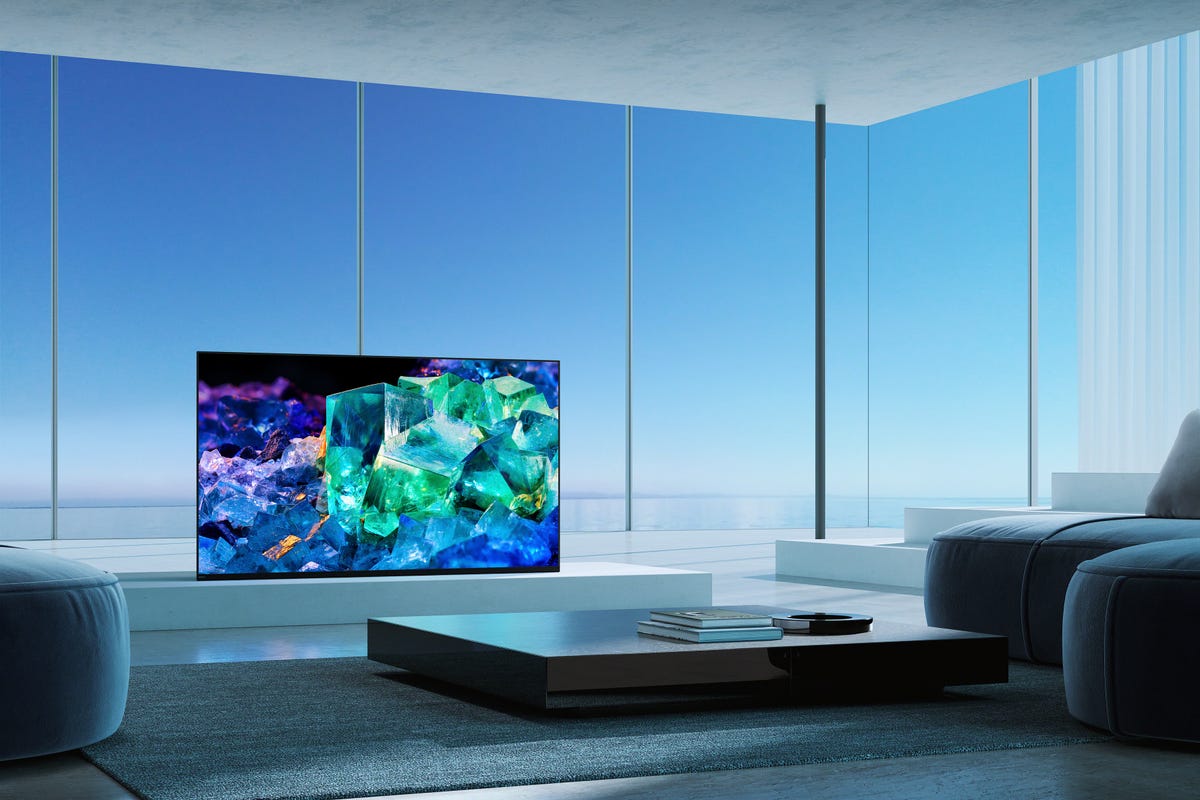
Sony and Samsung TVs with QD-OLED, a new technology promising better picture quality, are expensive and only available in 55- and 65-inch sizes.

Sony

If I buy a 2021 model now, what new features am I missing?

To put it succinctly, not too much. There's always something new around the corner, but changes from year-to-year are usually incremental. If you worry about missing out on the latest and greatest tech, it should give you peace of mind that even if something really new hits the market, it's going to be very expensive. 

New QD-OLED TVs from Samsung and Sony are a good example. They combine OLED displays with quantum dot technology, and claim higher brightness and better color compared to current OLED TVs. One of these new sets might sound enticing, but QD-OLEDs come with a premium price tag, so they might be tough to recommend over more-affordable OLEDs like the LG C2.

Read more: QD-OLED: Everything We Know About the Newest TV Tech From Samsung and Sony

In 2022, traditional OLED TVs are arriving in untraditional sizes. This year, LG introduced the 42-inch C2 Series TV, the smallest OLED on the market, while also laying claim to the largest OLED available with the 97-inch G2 TV.

p1055558

New for 2022, LG's OLED C2 now comes in 42- and 97-inch sizes.

Richard Peterson/CNET

Mini-LED TVs are also on the rise and could deliver close-to-OLED picture quality, but the new models we know about so far will also be expensive. The Sony Z9K and X95K are the company's first models with mini-LED, and the TCL X925pro has a new kind of slimmer mini-LED backlight, but none of them will be cheap. Samsung, TCL and Vizio are expected to announce more TVs later this year, many of which will use mini-LED, but we doubt they'll offer huge improvements over the 2021 models.

Also rolling out across the country is NextGen TV, aka ATSC 3.0. This is free over-the-air 4K TV, and it's moving forward quite quickly -- it might already be available in your city. In 2022 we'll see more TVs with built-in tuners that cost less than ever. Don't feel you need to rush to upgrade, or get those specific models however, since in the worst case you'll be able to buy a cheap external tuner and connect that to your TV.

Read more: Gaming Modes, Webcams and QD-OLED: Which 2022 TV Trends Stand Out?

There's also HDMI 2.1. While 2.1 has several new technologies that are great, it's not going to make any current TVs obsolete (unless it's a current 8K TV, but that's yet another story). As long as your current TV works with your current sources, you should be fine. 

Really old TVs, older than 10 years, might have issues connecting to modern streaming and disc sources, but there's no real workaround for that. If your TV doesn't work with a new Roku or Blu-ray player, then you might need to upgrade if you want to use one of those.

Do I need to upgrade?

Forget all the new tech. If your TV works and you're happy with it, keep it. Don't feel any pressure to upgrade. 

Modern TVs are, on average, brighter and have better picture quality than the TVs from a few years ago. Unless you're the type of videophile who wants to tweak every setting and fixates on nits and color accuracy, however, you probably don't need a new TV.

The pressure to upgrade is pervasive in our tech culture, but TVs tend to last (and be perfectly functional) longer than most devices. They don't, for example, have batteries that lose capacity like mobile phones -- or have wires that wear out like headphones. A TV from five or even 10 years ago likely works fine, though it might not look as good as the current 4K HDR TVs. So again, if that's not a huge deal for you, you can likely keep what you have for a few more years. 

Read more: Best TVs for PS5 and Xbox Series X, Series S

This is even true when considering new consoles, the PlayStation 5 and Xbox Series X. If you've got a PS4, Xbox One or any console connected via HDMI, the new consoles should work fine. They might look better on a new TV, but they'll still look great on yours.

If your TV is having issues, or you just want something larger, that's a different story. New TVs are much cheaper per inch than TVs of the past. You'll be able to replace your current TV with something the same size, looks better and is cheaper than your old TV. Or you can pay the same amount as your old TV and get something that's far bigger.

When is the best time to buy a TV?

TV sales are the biggest in the fall and culminate on Black Friday and Cyber Monday. There are always some incredibly cheap 4K TVs on offer, but that's not the whole story.

First of all, the TVs that get the huge discounts are usually either no-name brands, or low-end models from name brands. They're fine if you just want a cheap TV, but they're not going to offer the picture quality of an even slightly higher-end model. The best TVs go on sale as well, but deep discounts on those are less common. 

Entrance of a Best Buy store during a day with blue clear

TV sales happen all year, but Black Friday season sees the biggest discounts.

Roberto Machado Noa/Getty Images

Second, massive discounts on TVs are rare in general. It might be counterintuitive, but TVs typically don't have much mark-up. There isn't a lot of profit in a $500 TV. So unless the store is trying to clear out stock, you shouldn't expect a gigantic drop in price even during sales. Plenty of good discounts are available, they're just not going to be "50% off" or similar, unless there's a specific reason that model is getting such an extreme discount. Or it's a doorbuster in limited quantities.

Third, most big companies don't allow stores to offer their own pricing. This is called UPP, or unilateral pricing policy. It means that a TV from that company is going to cost the same, whether it's on Amazon, in Best Buy, or anywhere else. Well, anywhere else that wants to continue selling TVs from that company. If this sounds sketchy, it is, but that's a topic for a different article

the-frame-3

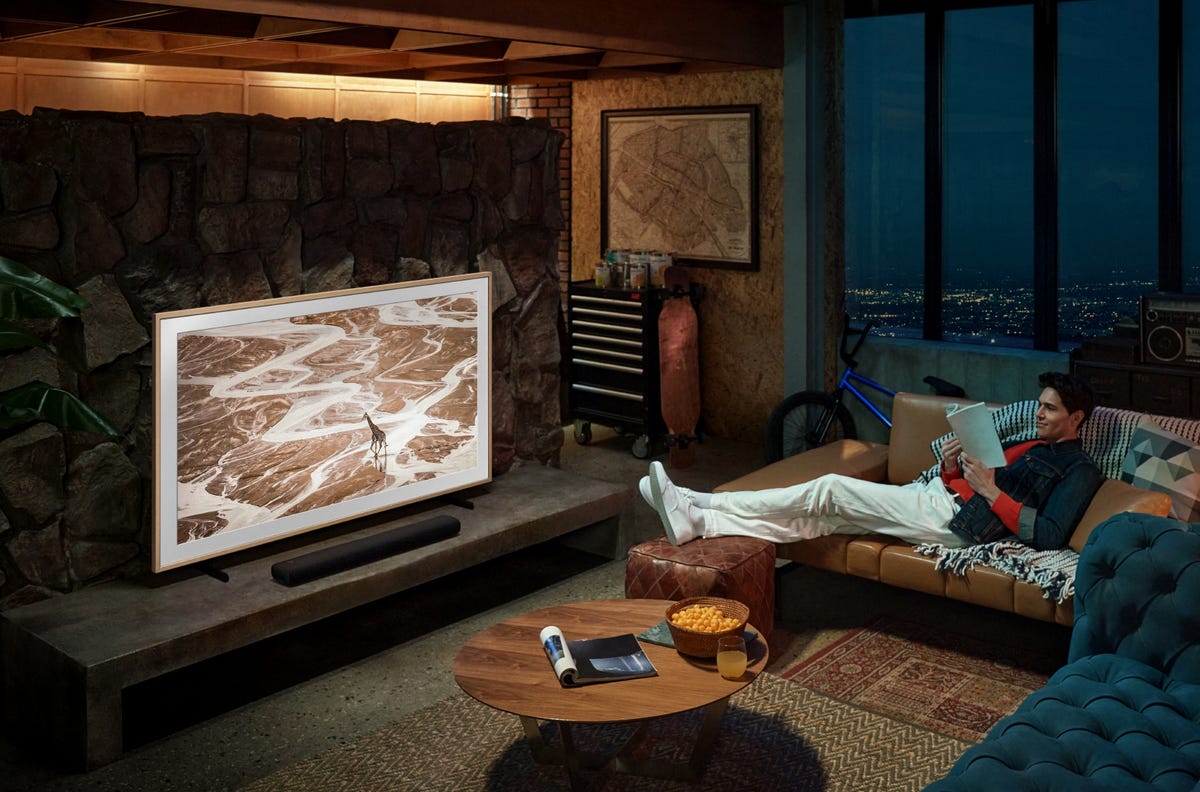
The Samsung Frame may look sophisticated, but your current TV might work just as well. 

Samsung

All in all, is it worth upgrading my TV?

Here's the short version:

Get a new TV now if:

  • Your current TV is having issues, or is too old to connect to a streaming service like Netflix.
  • You're willing to buy from a place that has a price-match policy, in case there's a sale.
  • You want something bigger than what you have now.

Don't get a TV now if:

  • Your current TV works fine.
  • There's literally anything else you need or want to spend money on.

If you've got the itch for something new, but you're still on the fence, consider giving your TV a bit of a makeover. If you've never adjusted the settings, it's easy to do and will probably make your TV look better than it ever has. That might tide you over for a bit.

And if you finally decide that, yes, you're ready to buy a new TV now, we at CNET do have some guidelines and suggested models.


As well as covering TV and other display tech, Geoff Morrison does photo tours of cool museums and locations around the world, including nuclear submarines, massive aircraft carriers, medieval castles, airplane graveyards and more. 

You can follow his exploits on Instagram and his travel video series on YouTube. He also wrote a bestselling sci-fi novel about city-size submarines, along with a sequel.

§

NextGen TV, aka ATSC 3.0, is continuing its rapid rollout across the country. Major markets like Los Angeles, Atlanta, Denver, Houston and more all have stations transmitting. Meanwhile New York, Boston, and many other markets are slated to have broadcasts later this year. While not every station in every market has a NextGen TV counterpart, more and more are coming on the air.

What's NextGen TV? It's an update to the free HDTV you can already get over-the-air in nearly every city in the US. There's no monthly fee, but you do need either a new TV with a built-in tuner or a standalone external tuner. The standard allows broadcast stations to send higher quality signals than ever before with features like 4K, HDR, 120 Hz, and more. ATSC 3.0 proponents also claim better reception indoors and on-the-go -- whether it's on your phone, or even in your car. The best part is that if you're watching it on your TV it uses the same standard antennas available today.

One potential downside? ATSC 3.0 will also let broadcasters track your viewing habits, information that can be used for targeted advertising, just like companies such as Facebook and Google use today. 

Read more: Best TV antennas for cord cutters, starting at just $10

NextGen TV to you

nextgen-tv-logo
ATSC.org

Here's the top-line info:

  • If you get your TV from streaming, cable or satellite, NextGen TV/ATSC 3.0 won't affect you at all. 
  • The transition is voluntary. Stations don't have to switch. Many have already, however, for reasons we'll explain below.
  • It's not backwards-compatible with the current HD standard (ATSC 1.0), so your current TV won't be able to receive it. Your current antenna should work fine though.
  • Stations that switch to NextGen TV will still have to keep broadcasting ATSC 1.0 for five years.
  • There are multiple models and sizes of TV with built-in tuners available now from Hisense, LG, Sony, Samsung and others.
  • As of the beginning of 2022 the majority of the largest markets in the US have at least one channel broadcasting NextGen TV. By the end of 2022, nearly all major and many minor markets will have multiple channels .
atsc-3-stations-2022

Here's the map of actual stations as of January 2022. Orange denotes stations that are live now. Blue is launching before summer. White sometime after the summer.

ATSC

How it will work in your home

Put simply: If you connect an antenna to your TV you will receive free programming, just like most people can get now. Yet, that is selling the potential benefits of NextGen TV short. 

NextGen TV is IP-based, so in practice it can be moved around your home just like any internet content can right now. For example, you connect an antenna to a tuner box inside your home, but that box is not connected to your TV at all. Instead, it's connected to your router. This means anything with access to your network can have access to over-the-air TV, be it your TV, your phone, your tablet or even a streaming device like Apple TV. There will be traditional tuners as well, of course, but this is a new and interesting alternative.

This also means it's possible we'll see mobile devices with built-in tuners, so you can watch live TV while you're out and about, like you can with Netflix and YouTube now. How willing phone companies will be to put tuners in their phones remains to be seen, however. You don't see a lot of phones that can get radio broadcasts now, even though such a thing is easy to implement. We'll talk more about that in a moment.

'Voluntary'

In November of 2017, the Federal Communications Commission approved ATSC 3.0 as the next generation of broadcast standard, on a "voluntary, market-driven basis" (PDF). It also required stations to continue broadcasting ATSC 1.0 (i.e. "HD"). This is actually part of the issue as to why it's voluntary. 

During the mandatory DTV transition in the early 2000s, stations in a city were given a new frequency (channel, in other words), to broadcast digital TV, while they still broadcast analog on their old channel. These older channels were eventually reclaimed by the FCC for other uses when the proverbial switch was flipped to turn off analog broadcasts. Since a changeover isn't occurring this time around, stations and markets are left to themselves how best to share or use the over-the-air spectrum in their areas.

atsc-transmitter-sharing

Because there's no new bandwidth, broadcasters will temporarily share transmitters. Two or more stations will use one tower for ATSC 1.0 (HD) broadcasts and those stations will use another tower for ATSC 3.0 (UHD) broadcasts. This will mean a temporary reduction in bandwidth for each channel, but potentially a limited impact on picture quality due to the better modern HD encoders. More info here.

ATSC/TVTechnology.com

While it's not a mandatory standard, many broadcasters still seem enthusiastic about NextGen. At the beginning of the roll-out, then executive vice president of communications at the National Association of Broadcasters Dennis Wharton told CNET that the improvement in quality, overall coverage and the built-in safety features mean that most stations would be enthusiastic to offer ATSC 3.0.

John Hane, president of the Spectrum Consortium (an industry group with broadcasters Sinclair, Nexstar and Univision as members), was equally confident: "The FCC had to make it voluntary because the FCC couldn't provide transition channels. [The industry] asked the FCC to make it voluntary. We want the market to manage it. We knew the market would demand it, and broadcasters and hardware makers in fact are embracing it."

Given the competition broadcasters have with cable, streaming and so on, 3.0 could be a way to stabilize or even increase their income by offering better picture quality, better coverage and, most importantly, targeted ads.

Ah yes, targeted ads…

Broadcast TV will know what you're watching

One of NextGen TV's more controversial features is a "return data path," which is a way for the station you're watching to know you're watching. Not only does this allow a more accurate count of who's watching what shows, but it creates the opportunity for every marketer's dream: targeted advertising. 

Ads specific to your viewing habits, income level and even ethnicity (presumed by your neighborhood, for example) could get slotted in by your local station. This is something brand-new for broadcast TV. Today, over-the-air broadcasts are pretty much the only way to watch television that doesn't track your viewing habits. Sure, the return data path could also allow "alternative audio tracks and interactive elements," but it's the targeted ads and tracking many observers are worried about.

The finer details are all still being worked out, but here's the thing: If your TV is connected to the internet, it's already tracking you. Pretty much every app, streaming service, smart TV and cable or satellite box all track your usage to a greater or lesser extent.

Return data path is still in the planning stages, even as the other aspects of NextGen TV are already going live. There is a silver lining: There will be an opt-out option. While it also requires Internet access, if this type of thing bothers you, just don't connect your TV or NextGen TV receiver to the internet. You will inevitably lose some of the other features of NextGen TV, however.

That said, we'll keep an eye on this for any further developments.   

Free TV on your phone?

Another point of potential contention is getting ATSC 3.0 tuners into phones. At a most basic level, carriers like AT&T, Verizon and T-Mobile are in the business of selling you data. If suddenly you can get lots of high-quality content for free on your phone, they potentially lose money. Ever wonder why your phone doesn't have an FM radio tuner? Same reason.

T-Mobile made a preemptive strike along those lines all the way back in September 2017, writing a white paper (PDF) that, among other things, claims, "In light of the detrimental effects that inclusion of ATSC 3.0 can have on the cost and size of a device, the technology trade-offs required to accommodate competing technologies, and the reduced performance and spectral efficiency that it will have for other mobile bands and services, the decision as to whether to include ATSC 3.0 in a device must be left to the market to decide."

"The market" determined you didn't need an FM tuner in your phone, and in the few phones that had an FM tuner, if you bought it through an American provider, it was almost always disabled.

TV broadcasters, on the other hand, are huge fans of ATSC 3.0 on mobile phones. It means more potential eyeballs and, incidentally, a guarantee of active internet access for that return data path. John Hane of the Spectrum Consortium feels that tuners built into phones is "inevitable," and that international adoption of ATSC 3.0 will help push it forward. Wharton says that the focus is getting TVs to work, but mobile is in the plan.

Then there's portable TVs, of which there are HD versions on the market and have been for years. The next-generation ATSC 3.0 versions of these will likely get better reception in addition to the higher resolution offered by the new standard.

antennas-09.jpg
Sarah Tew/CNET

Cost (for you)

NextGen TV is not backward compatible with current TV tuners. To get it, you'll eventually need either a new TV or an external tuner. 

However, you shouldn't feel a push to upgrade since:

1. NextGen TV/ATSC 3.0 isn't mandatory, and it doesn't affect cable, satellite or streaming TV.

2. HD tuners cost as little as $30 to $40 now, and NextGen TV tuners, which currently sell between $200 and $300, will eventually be cheap as well.  

3. Even after they start NextGen broadcasts, stations will have to keep broadcasting regular old HD. 

Here's the actual language:

"The programming aired on the ATSC 1.0 simulcast channel must be 'substantially similar' to the programming aired on the 3.0 channel. This means that the programming must be the same, except for programming features that are based on the enhanced capabilities of ATSC 3.0, advertisements and promotions for upcoming programs. The substantially similar requirement will sunset in five years from its effective date absent further action by the Commission to extend it."

In other words, the HD broadcast has to be essentially the same as the new 3.0 broadcast for five years, perhaps longer depending on future FCC actions.

Which brings us to point 3. By the time people had to buy them, HD tuners were inexpensive and are even more so now. The HD tuner I use is currently $26 on Amazon. The first generation NextGen tuners available now are more expensive than that, though they're not outrageous. We'll discuss those below. By the time anyone actually requires one, however, they'll almost certainly be affordable.

Which is good, because there aren't any planned subsidies this time around for people to get a tuner for cheap. I'm sure this is at least partly due to how few people actually still use OTA as their sole form of TV reception. Maybe this will change as more stations convert, but we're a ways away from that.

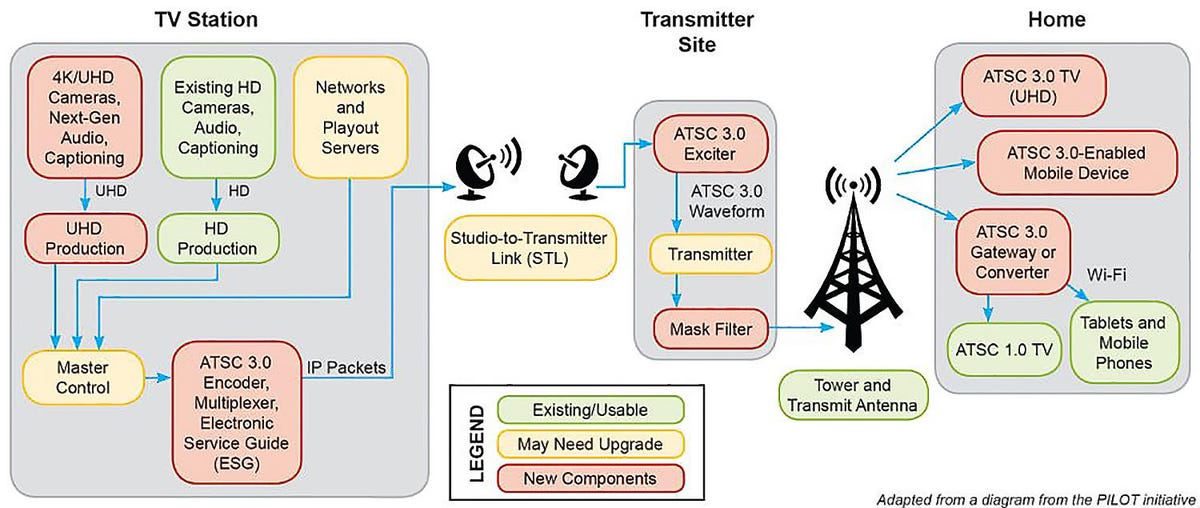
atsc-upgrade-path

As you can see, there are lots of parts that need to get upgraded all along the chain before you can get 3.0 in your home.

ATSC/TVTechnology.com

Here's another way to think about it: The first HD broadcasts began in the mid-90s, but when did you buy your first HDTV? As far as the 3.0 transition is concerned we're in the late-90s, maybe generously the early 2000s, now. Things seem like they're moving at a much more rapid pace than the transition from analog to DTV/HDTV, but even so, it will be a long time before ATSC 3.0 completely replaces the current standard.

How to get NextGen right now

lg-evo-cropped-for-door.png
LG

If you want to check it out for yourself, many of you already can. The first stop is to go to WatchNextGenTV.com. That website will help you find what stations in your area are broadcasting, or which ones will soon. 

Next up you'll need something to receive it. If you're in the market for a new TV there are several options available from Hisense, LG, Samsung, and Sony. Here's our list of all the 2022 TVs with built-in next-gen tuners.

If you want to check out NextGen TV without buying a new television, you'll need an external tuner. It's still early days, so there aren't many options. 

tablo-atsc3-quad-hdmi-in-situ-straight-crop-new.png

The Tablo ATSC 3.0 Quad HDMI DVR

Nuvvyo

At CES 2022 Nuvvyo announced the Tablo, a quad-tuner box that can connect to a TV directly, or transmit over a network to Rokus, Apple TVs, or computers on your home network.  

The Silicon Dust has two models, the $199 HomeRun Flex 4K and the $279 HomeRun Scribe 4K. Both have ATSC 1.0 and 3.0 tuners.  

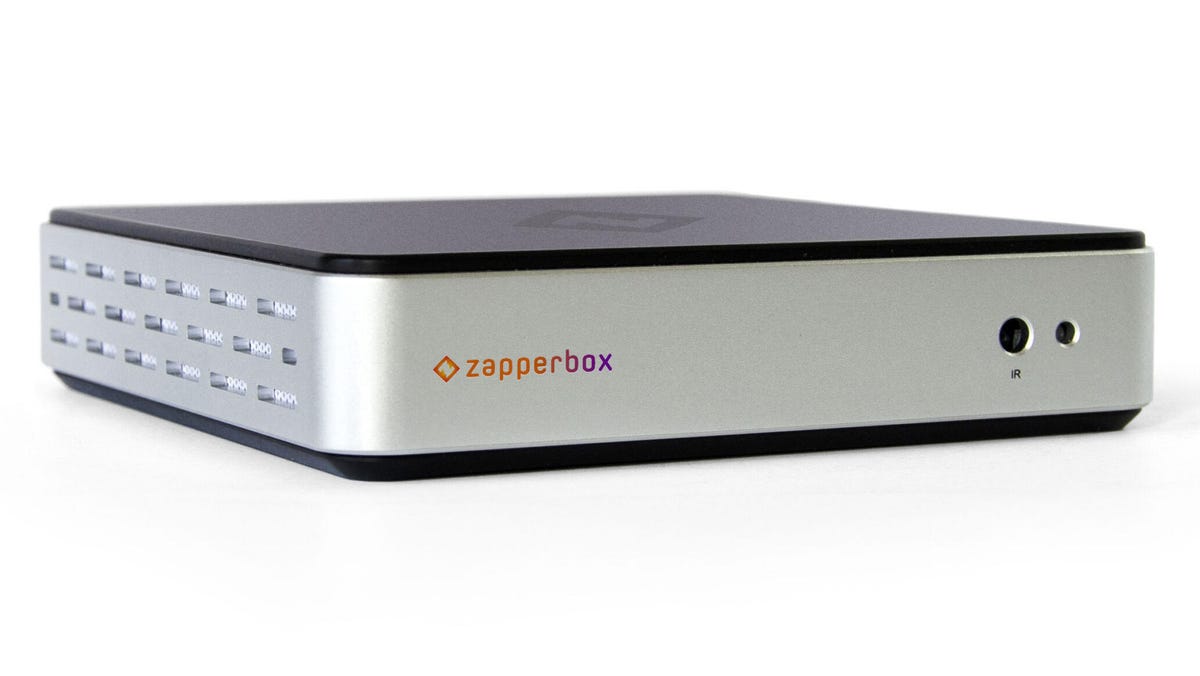
If you want a more traditional tuner, BitRouter plans to start shipping its first ZapperBox M1 tuners in the spring. You can reserve one now for $249. It doesn't have internal storage, but BitRouter plans to add the ability to save content on network-attached storage, or NAS, devices via a firmware update. They also plan to add the ability to send the content around your home network, like what the Scribe 4K does.

zapperbox-front-scaled
Zapperbox

Then there's what to watch. Being early in the process, you're not going to find much 4K content, possibly not any. This was the same with the early years of HDTV. It's also going to vary per area. There is certainly a lot of 4K content being produced right now, and that has been the case for several years. So in that way, we're in better shape than we were in the early days of HD. 

Basic and paid cable channels over-the-air?

One company is using the bandwidth and IP nature of NextGen to do something a little different. It's a hybrid paid TV service, sort of like cable/satellite, but using over-the-air broadcasts to deliver the content. It's called Evoca, and right now it's available only in Boise, Idaho. Edge Networks is the company behind it, and it wants to roll it out to other small markets where cable offerings are limited, and broadband speeds are slow or expensive. 

It's an interesting idea for underserved and often forgotten-about markets. 

Read moreCable TV channels and 4K from an antenna?

Seeing the future

The transition from analog broadcasting to HD, if you count from the formation of the Grand Alliance to the final analog broadcast, took 16 years. 

Though many aspects of technology move rapidly, getting dozens of companies, plus the governments of the US and many other countries, all to agree to specific standards, takes time. So does the testing of the new tech. There are a lot of cogs and sprockets that have to align for this to work, and it would be a lot harder to fix once it's all live.

But technology moves faster and faster. It's highly doubtful it will take 16 years to fully implement NextGen TV. As we mentioned at the top, dozens of stations are already broadcasting. Will every station in your city switch to NextGen TV? Probably not, but the bigger ones likely will. This is especially true if there are already other NextGen TV stations in your area. There's a potential here for stations to make additional money in the long run with 3.0, and that's obviously a big motivator.

There's also the question of how much content there will be. If it follows the HDTV transition model, big sporting events in 4K HDR will come first, followed by lots and lots of shows featuring nature scenes and closeups of bugs. Seriously -- this was totally a thing. Then we'll see a handful of scripted prime-time shows. My guess would be the popular, solidly profitable ones that are produced (not just aired) by networks like CBS and NBC.

So should you hold off buying a new TV? Nope, not unless you only get your shows over the air. And even if you do, by the time there's enough content to be interesting, there will be cheap tuner boxes you can connect to whatever TV you have. 

For now, NextGen TV seems to be well on its way.


As well as covering TV and other display tech, Geoff does photo tours of cool museums and locations around the world, including nuclear submarines, massive aircraft carriers, medieval castles, epic 10,000 mile road trips, and more. Check out Tech Treks for all his tours and adventures.

He wrote a bestselling sci-fi novel about city-size submarines, along with a sequel. You can follow his adventures on Instagram and his YouTube channel.


Source

Tags:


Samsung Galaxy S II (U.S. Cellular) review: Samsung Galaxy S II (U.S. Cellular)


Samsung Galaxy S II (U.S. Cellular) review: Samsung Galaxy S II (U.S. Cellular)

With the rapid-fire release of one smartphone after another, it's easy for once-great phones to quickly become obsolete. Luckily, the Samsung Galaxy S II is one device with staying power, and its appearance on U.S. Cellular's network is a slam dunk.

There are two things to be aware of: this is a 3G phone on U.S. Cellular, and the cost is a little steeper than on other carriers: $229.99 after a $100 mail-in rebate, and with a new two-year activation. It's also costlier than other U.S. Cellular phones at the time of the review.

Editors' note: This review focuses on the differences between the Samsung Galaxy S II on U.S. Cellular and the Samsung Galaxy S II on other networks. You can read up on the full feature set here.

Design and features
The Samsung Galaxy S II maintains the same design as the T-Mobile and Sprint versions of the phone. It starts with a trim, rounded rectangle candy bar design, and has a 4.5-inch Super AMOLED screen that's just beautiful, rich, clear, and vivid. (AT&T's model has a 4.3-inch screen. Its Galaxy S II Skyrocket variation has the larger display.)

There's a nice, strong 2-megapixel camera on the front that's great for video chats, but the best lens yet is the 8-megapixel one on the back, which continues to take excellent shots on every Galaxy S II variation we've seen. Auto-focus and an LED flash help out.

The processor is of the Sprint variety: a 1.2GHz dual-core Exynos processor, versus T-Mobile's 1.5GHz dual-core ticker. It nevertheless creates a speedy environment for internal processing. If the 16GB of internal storage isn't enough for you, a microSD card slot behind the back cover can accommodate up to 32GB more.

Samsung and U.S. Cellular added a slew of apps to the phone, which is fine if you enjoy having presets when you unbox a new device. AllShare is Samsung's DLNA app for sharing media to compatible devices. There's also Amazon.com, Amazon MP3 store and app store, and the Kindle shortcut. Audible, an audiobook store, is also present. So are CityID, Daily Perks, IMBD, and a couple of HD game shortcuts. You'll find Samsung's media hub and social hub; U.S. Cellular-branded mobile TV and ringtone store; plus a memo pad and a photo editor. Polaris Office will help you get things done, and a Zappos shortcut will enable your next mobile shoe purchase.

Performance
I tested the Samsung Galaxy S II in San Francisco using U.S. Cellular's roaming network. Call quality was pretty good overall. Volume sounded fine to my ears, though voices were slightly robotic around the edges, and I did hear a few blips. There wasn't any additional background noise, though, and distortion remained mild. On their end, callers said I sounded a little hollow, but generally good, and with strong volume. At higher volumes, my voice reportedly sounded a bit distorted.

Samsung Galaxy S II (U.S. Cellular) call quality sample Listen now:

I tested speakerphone by holding the GSII at waist level. As soon as my caller started talking, I had to crank up the volume to hear. Even though voices were louder, they also sounded more echoey, hollow, and buzzy. For their part, callers were pleased with the speakerphone quality. They noted that they could still hear echo, but not at volumes that surpassed the normal amount that reverberates around the room. They pronounced my voice clarity "clear" and "pretty good."

To test out U.S. Cellular's 3G network speeds for the handset, I downloaded the diagnostic app Speedtest.net. Data speeds hovered in the 0.23Mbps and 0.37Mbps range, not very impressive. In real life, page load time was acceptable for 3G--roughly 15 seconds for a mobile-optimized page and 30-60 seconds for a much more graphically rich site.

Conclusion
At $130, the Samsung Galaxy S II is officially U.S. Cellular's priciest phone. It's also its best, and its flagship, and the one I'd recommend in a heartbeat for customers of the nation's sixth largest carrier. Even as the next wave of superphones begins to flood the market, the Galaxy S II is a handset that can go the distance. The only caveat is that U.S. Cellular is planning to build out a 4G network, and when it does, the GSII won't be able to access those faster speeds. If you're a current customer with a good chunk of time left on the contract, it could behoove you to wait for LTE.


Source

Tags:


James Corden upset the BTS Army and is trending on Twitter for all the wrong reasons


James Corden upset the BTS Army and is trending on Twitter for all the wrong reasons

If the internet has taught us anything in the last five years it is this: You don't mess with BTS and you definitely don't mess with the BTS army.

The latest person to learn this universal truth: James Corden.

For context, BTS, the South Korean super group with one of the most hardcore fanbases in history, took centre stage at the UN recently as a special envoy for South Korean President Moon Jae-in. They made a speech highlighting issues of climate change and vaccine hesitancy. They also performed. Why BTS? Well the numbers speak for themselves: Six million people watched the YouTube video of the speech and song in just five hours.

And that's where James Corden comes in.

James Corden has long been a friend of BTS, inviting them on his show constantly to the point where BTS fans call him "Papa Mochi" because of his relationship with Jimin (who is nicknamed Mochi).

But now there's trouble in paradise. The problem? A series of jokes made by Corden about BTS' recent trip to the UN.

On The Late Late Show, Corden very gently mocked the UN for inviting BTS to the UN headquarters in New York, but perhaps his biggest faux pax: Referring to the BTS fanbase as "15 year old girls." It was a brief series of very banal (and boring) jokes, but that was enough to raise the ire of BTS fans.

Next minute: James Corden is trending on Twitter for all the wrong reasons.

You literally cannot underestimate the power of the BTS. When the BTS army mobilizes around a topic, they tend to have a huge impact. K-Pop fans managed to sabotage a Trump rally in Tulsa, Oklahoma back in July 2020 and they are unforgiving of any perceived slights toward BTS or the BTS fanbase.

In this case, the anger is more directed toward how Corden is referring to the fanbase. Teasing a group for having a fanbase of teenage girls seems pretty long in the tooth. Harry Styles put it best in 2017: "Who's to say that young girls who like pop music -- short for popular, right? -- have worse musical taste than a 30-year-old hipster guy," he said, in an interview with Rolling Stone. "That's not up to you to say. Music is something that's always changing. There's no goal posts. Young girls like the Beatles. You gonna tell me they're not serious?"

James Corden has been trending for all the wrong reasons in the past month. Just weeks ago he set the internet on fire for dressing up as a mouse and thrusting in the general direction of cars in traffic.

Yep, that happened.

Representatives from the Late Late Show didn't immediately respond to a request for comment.


Source

Tags:

Search This Blog

Menu Halaman Statis

close